


 Premier League
 LALIGA
 Serie A
 Ligue 1
 Bundesliga
 Brazilian Série A
 Liga MX
 MLS
MLS Liga Portugal
 Dutch Eredivisie
 Scottish Premiership
 Saudi League
 Liga Profesional de Fútbol
 England
 Germany
 ltaly
ltaly Portugal
 Romania
 Spain
Spain Turkey
 Argentina
 Brazil
 Mexico
Jersey Culture
More Than a Shirt. A Symbol of Football Identity.
Football jerseys are no longer just match uniforms.
They are symbols of loyalty, memories, street culture, and personal identity.
From iconic retro football shirts to modern limited-edition kits, jersey culture has become one of the most influential parts of global football culture. Fans wear jerseys not only to support their clubs, but also to express who they are, where they belong, and what football means to them.
Today, football jerseys connect generations of supporters across stadiums, cities, and cultures around the world.
Why Jersey Culture Matters
Every football jersey represents a moment in football history.
A classic jersey can remind fans of:
- unforgettable goals
- legendary players
- historic finals
- championship victories
- emotional football memories
For supporters, wearing a football shirt is deeply personal. It becomes part of identity, community, and football tradition.
That is why jersey culture continues to grow far beyond the stadium.

The Evolution of Jersey Culture
Football jerseys were originally designed only for gameplay. Early shirts used heavy cotton fabrics with simple colors and minimal details.
Over time, football kits evolved into cultural icons.
The 1970s introduced bold national team identities.
The 1980s brought sponsorship logos and stronger club branding.
The 1990s transformed football jerseys into fashion statements.
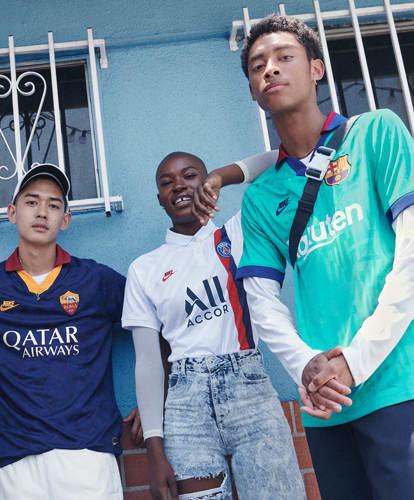
Today, football shirts are worn everywhere:
- stadiums
- streets
- music festivals
- sneaker culture
- fashion events
- social media
Modern jersey culture blends football heritage with lifestyle fashion.
The Rise of Retro Football Jerseys
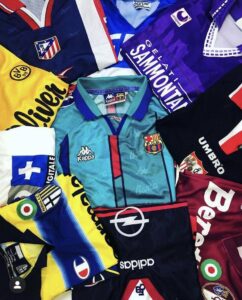
Retro football jerseys have become one of the biggest trends in football fashion.
Fans love vintage football shirts because they represent authenticity, nostalgia, and timeless football culture.
Unlike modern minimalist designs, retro football kits often feature:
- bold patterns
- oversized fits
- iconic sponsor logos
- embroidered badges
- unforgettable color combinations
For many supporters, retro jerseys represent football’s golden eras.
Classic shirts from the 1990s and early 2000s remain especially popular because they connect fans to legendary football moments.
Popular retro football shirt categories include:
- World Cup retro jerseys
- vintage club football shirts
- 90s football kits
- classic national team jerseys
- iconic Champions League shirts
Iconic Jerseys That Changed Football Culture
Some football shirts became legendary because they represented unforgettable moments in football history.





Why Football Fans Collect Jerseys
Football shirt collecting has become a global hobby and lifestyle.
Collectors search for:
- rare retro football jerseys
- match-worn shirts
- limited edition kits
- historic club jerseys
- classic World Cup shirts
Every jersey represents a story.
For some fans, it is nostalgia.
For others, it is fashion.
For many, it is emotional connection.
Football jerseys allow supporters to relive football history through wearable culture.


The Emotional Power of Football Shirts
Football jerseys often represent:
- childhood memories
- family traditions
- club loyalty
- national pride
- unforgettable football experiences
A football shirt can instantly remind fans of:
- a famous goal
- a championship season
- a favorite player
- a historic match
That emotional connection is what makes jersey culture unique.
Unlike ordinary fashion, football jerseys carry meaning.
Jersey Culture Around the World


Sustainable Football Fashion
Modern jersey culture is also becoming more sustainable.
Many football fans now prefer:
- timeless retro jerseys
- vintage collections
- reusable fashion
- classic designs over fast fashion
Retro football shirts combine sustainability with emotional value, making them more meaningful than temporary fashion trends.
How to Style Football Jerseys
Football jerseys now work both inside and outside stadium culture.
Casual Streetwear

Pair retro football shirts with:
- loose denim
- cargo pants
- sneakers
- varsity jackets
Vintage Football Look
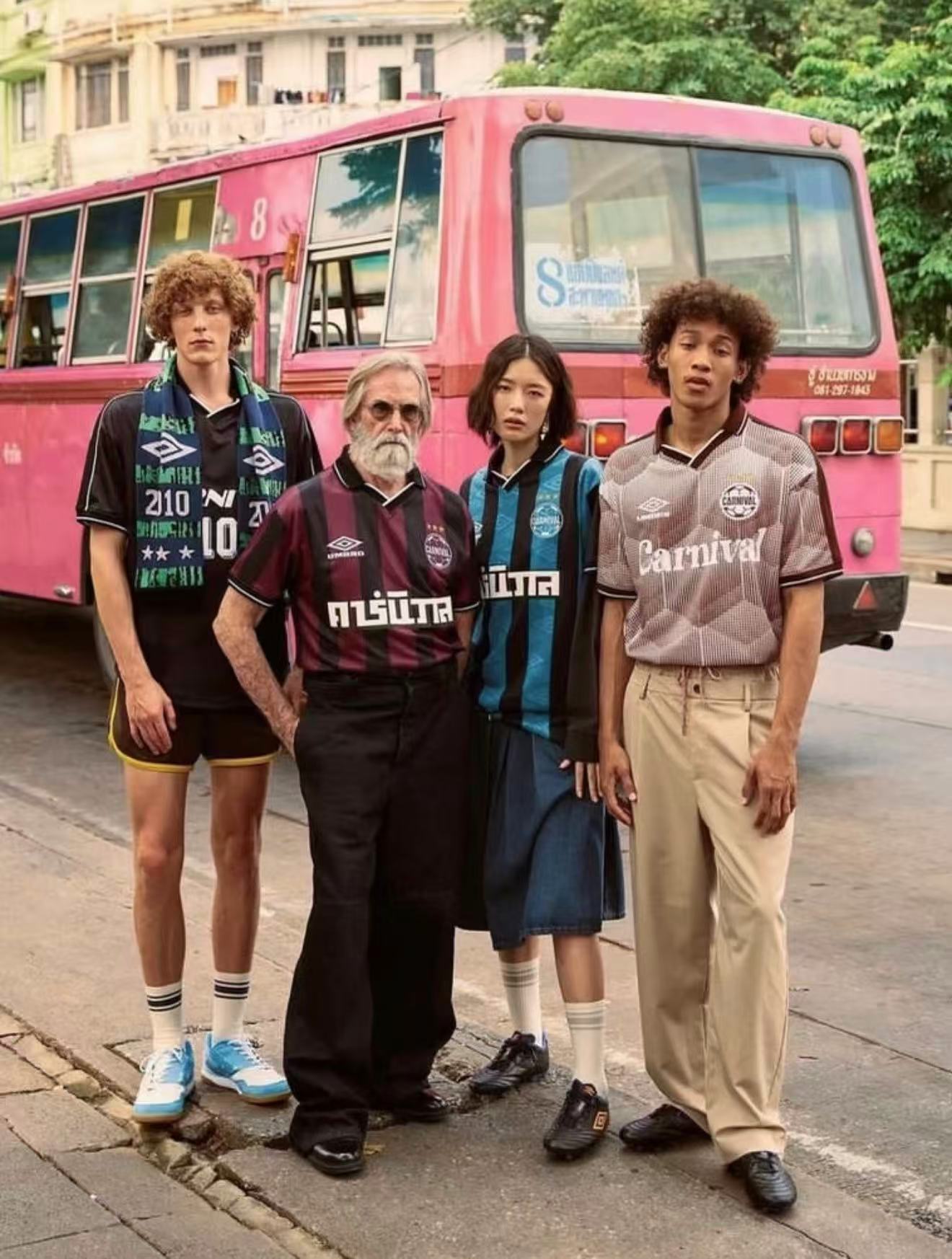
Combine classic football jerseys with:
- vintage trainers
- relaxed fits
- retro accessories
Matchday Style
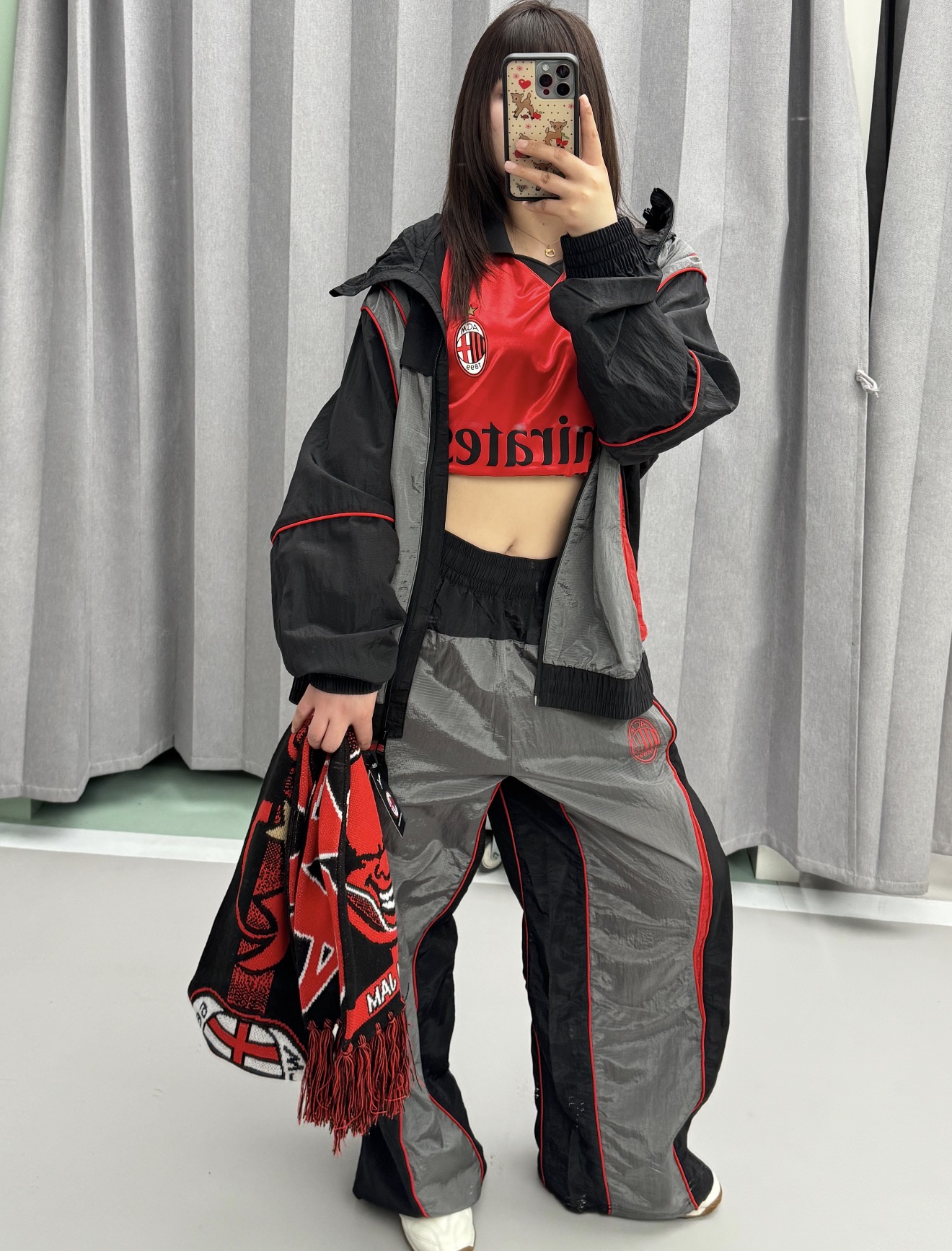
Supporters often style football shirts with:
- scarves
- club jackets
- football sneakers
- casual outerwear
Explore Retro Football Jerseys
Football jersey culture continues to evolve, but its foundation remains the same:
Passion. Identity. History.
Whether you love vintage football shirts, iconic club kits, or legendary World Cup jerseys, football fashion allows fans to wear the history of the game itself.
Popular Collections
Frequently Asked Questions About Jersey Culture
What is jersey culture?
Jersey culture refers to the lifestyle, fashion, identity, and emotional connection surrounding sports jerseys, especially football shirts.
Why are retro football jerseys so popular?
Retro football jerseys represent iconic football eras, legendary players, and nostalgic football memories that fans continue to celebrate.
Are football jerseys considered streetwear?
Yes. Modern football jerseys are widely worn as streetwear and lifestyle fashion around the world.
Why do football fans collect jerseys?
Fans collect football jerseys because they preserve emotional memories, football history, and club identity.
What makes a football jersey iconic?
Historic moments, legendary players, memorable designs, and cultural influence all contribute to making a football jersey iconic.